Small newsrooms often lack extra resources — whether in staff or time. Yet, they’re often closer to their audience, quicker to notice shifting needs, and freer to rethink their direction.
From Budapest to Plungė: When Small Newsrooms See the Bigger Picture
Small newsrooms often lack extra resources — whether in staff or time. Yet, they’re often closer to their audience, quicker to notice shifting needs, and freer to rethink their direction.


This proximity and daily dialogue with readers form the foundation for journalism that stays rooted in people’s real lives. That perspective shaped the experience of Jurgita Naglienė, representing Žemaitis newspaper and the portal Labas, Plunge, during the international Innovation Fair in Budapest, organized by Media4Change in partnership with LIMENet.
“What inspired me most were the experiences of other small newsrooms. They showed that even with limited resources, you can create meaningful, engaging content that truly reaches the community,” Jurgita shared.

When Journalism Returns to the People
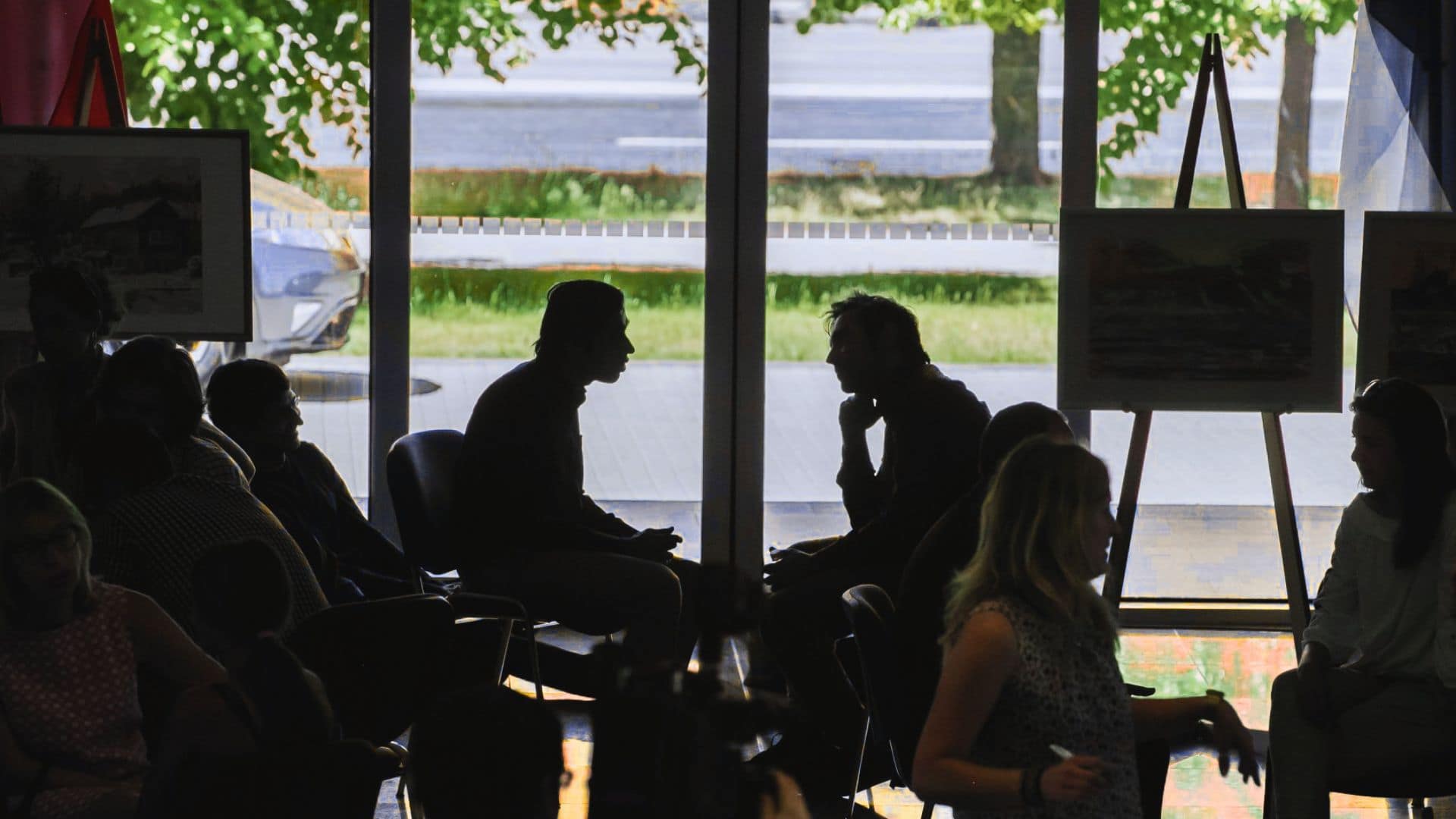
Over three days in Budapest, more than 50 representatives of local media from seven countries came together — from independent creators experimenting with new formats to long-established editorial teams seeking ways to stay resilient and sustainable.
“We had a great chat with a representative from Chayka in Latvia,” said Jurgita.
“Their insights on reaching younger audiences were very inspiring. Maybe we’ll try going in that direction too.”
While financial struggles, staffing shortages, and lack of tech came up, participants focused on what journalism can still be: close to people, creative in storytelling, and rooted in what truly matters.
From Everyday to Exceptional
A key source of inspiration was a talk by the founder of Mill Media. His motto — “Interesting before important” — resonated deeply.
For Jurgita, it sparked new reflections on how we talk to our audiences, especially younger ones.
“It was also very helpful to hear real stories about how other outlets secure and manage project-based funding,” she noted.
“That’s especially relevant for small newsrooms like ours, where there’s no dedicated person for writing or running projects.”
When Small Newsrooms Meet – Direction Emerges
“I wish more journalists could take part in initiatives like this,” Jurgita said.
“These meetings give more than contacts — they inspire through real examples.
Sometimes, all you need is to see that someone else has succeeded, and suddenly, the courage is there.”
And that’s the heart of LIMENet — not offering one-size-fits-all solutions, but creating space for newsrooms to grow together, share ideas, experiment, and clarify their direction.
Looking for More Than Inspiration?
The LIMENet sub-grant call is now open for local and community-based media outlets.
Support of up to €20,000 is available — along with mentoring, international connections, and access to a network of experts.
📅 Application deadline: August 25
🔗 Learn more and apply here
Want to check if your idea fits?
You can still register for the online info session until July 18 by filling in the registration form.
📩 Questions? Write to us: [email protected]

LIMENet is implemented by a consortium led by the Media Diversity Institute Global (Brussels), in cooperation with the Media Diversity Institute Western Balkans (Serbia), Media4Change (Lithuania), and SDRP.EU (Poland).
The LIMENet project is co-funded by the European Union’s Creative Europe programme.